Master Your Wedding Day with a 150-Page Binder
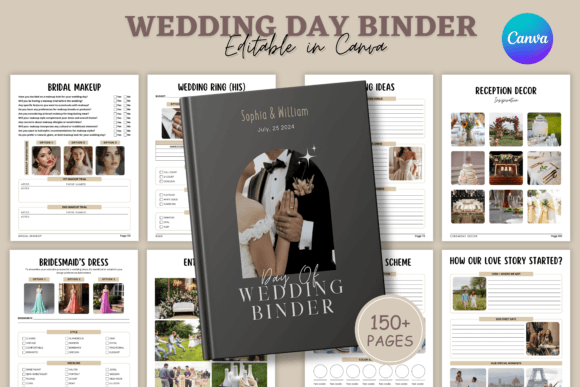
The final weeks before a wedding are a whirlwind of details, emotions, and last-minute confirmations. For brides, grooms, and wedding coordinators, having a single, reliable source of truth is non-negotiable. This is where the 150 Page Wedding Day Binder Template transforms from a simple document into an essential operational tool. It’s not just about having a plan; it’s about having a system that brings calm to the chaos, ensuring every vendor, timeline, and personal note is organized and instantly accessible.
A Visual Blueprint for Seamless Coordination
At its core, this template functions like a premium design asset for your life event. Think of it as the brand identity for your wedding day—a cohesive visual and structural framework that presents all critical information with clarity and professionalism. The overall style is clean, modern, and highly functional, prioritizing readability and visual hierarchy above all else. Each page is designed with intentional whitespace and a consistent typographic system, likely pairing a clean sans serif font for headings with a highly legible serif or sans serif for body text. This approach mirrors best practices in editorial design, where information must be both beautiful and scannable under pressure.
The personality of the binder is one of calm authority. It doesn't overwhelm with ornate decoration but instead uses subtle design elements—consistent section dividers, checklists, and structured tables—to create a sense of order. This makes it an ideal creative font application for practical purposes. The visual appeal lies in its professionalism; it looks and feels like something a top-tier wedding planner would use, instantly elevating the perceived organization of the event itself.
Where This Template Truly Shines: Real-World Applications
The strength of the 150 Page Wedding Day Binder Template is its versatility, functioning as a central hub for multiple roles and project types. For the DIY bride or entrepreneurial groom managing the planning, it serves as the ultimate project management tool. Its structure is perfect for:
- Vendor Management: Dedicated sections for contracts, contact details, and payment schedules mirror the organization needed in small business operations.
- Timeline Coordination: Detailed itineraries are the web design wireframes of the wedding day, mapping user (guest and vendor) journeys with precision.
- Day-Of Communication: The binder becomes the reference manual for the entire wedding party, much like a brand style guide ensures consistency across a marketing team.
For professional wedding planners and content creators in the event space, this template is a foundational design asset. It can be customized and rebranded as part of a planner's service offering, providing clients with a tangible, professional product. This is where the editable nature in Canva becomes powerful—you're not just using a template; you're building a reusable commercial font of sorts for your own business toolkit. The consistent structure ensures every client receives the same high-quality experience, strengthening your brand's professionalism and recognition.
Design Principles in Action: Hierarchy and Readability
The template's effectiveness is a direct result of applied modern typography and layout principles. Visual hierarchy is meticulously crafted. Major sections like "Ceremony" or "Reception" likely use bold, display font style headings that are impossible to miss. Sub-sections use a different weight or size, creating a clear roadmap for the eye. This is crucial when you're flipping through 150 pages under time constraints.
Readability is paramount. Body text for notes, vendor details, and timelines would be set in a highly legible typeface—avoiding overly decorative script fonts or handwritten fonts for dense information blocks. This is a key lesson for any designer: context dictates font choice. While a beautiful script font is perfect for a monogram or a single headline in logo design or social media graphics, it fails in long-form instruction. The binder wisely reserves such stylistic elements for accent purposes, ensuring core information is always accessible.
The design also promotes consistency. Repeating the same header styles, list formats, and margin rules across all pages reduces cognitive load. Your brain learns the system, allowing you to find information faster. This principle is identical to building a strong brand identity—consistency breeds familiarity and trust, which in this case, translates directly to reduced wedding-day stress.
Evaluating and Implementing Your Wedding Planning System
Before diving in, treat the evaluation of this binder template like you would evaluate any premium font or design kit for a client project. Consider the following:
- Project Fit: Does the scale of your wedding (small intimate gathering vs. grand celebration) require 150 pages? Review the table of contents to see if the sections align with your specific needs. A minimalist elopement might only use 30% of the pages, which is perfectly fine.
- Customization & Pairing: The Canva editability is a major strength. You can change text colors and fonts to match your wedding palette. Think of this as font pairing for your event. You might keep the clean sans serif for body text but swap the headings to a font that echoes your wedding invitations for a cohesive brand identity.
- Testing & Workflow: Don't wait until the week before to populate it. Use it from the moment you start planning. Test its utility for your personal workflow. Does it help you track budgets? Does the day-of timeline section have enough detail? This is your chance to stress-test the system.
- Licensing Mindset: While the template itself is for personal use, if you are a professional planner considering using it as a base for client materials, pay close attention to the licensing terms. Understanding the difference between personal and commercial use is critical, much like with commercial fonts.
Ultimately, the 150 Page Wedding Day Binder Template is more than a PDF with a link. It is a structured thinking framework. It forces you to consider details you might otherwise overlook, from emergency contact lists to vendor meal counts. By providing a robust, visually coherent system, it allows you to shift your mental energy from remembering logistics to actually experiencing and enjoying your day. It’s the difference between being a frantic project manager and a present, confident host. For anyone involved in the complex project of a wedding, that shift is invaluable.